Kilpauk, Chennai


ITP is immune Thrombocytopenic Purpura, In ITP you have low platelet . Platelets are
normally responsible for bleeding or bruising, when you have an injury or when you hurt
yourself. Normal platelet counts is in-between 150-450 thousands. In some people
suddenly the platelet count can go down and this can happen after the cold, cough,
fever or any infection or any vaccination or any procedure as well. So suddenly if you
experience any symptoms such as bruising, that is dark spots underneath the skin or
excessive bleeding in your normal menstrual cycle or any nose bleeds. Then you can do
a complete blood count and you have to contact hematologist . Usually ITP is diagnosed
by doing (complete blood count) blood test and in some cases bone marrow aspiration.
Usually the treatment are steroids, immune modulating agents or immunotherapy.
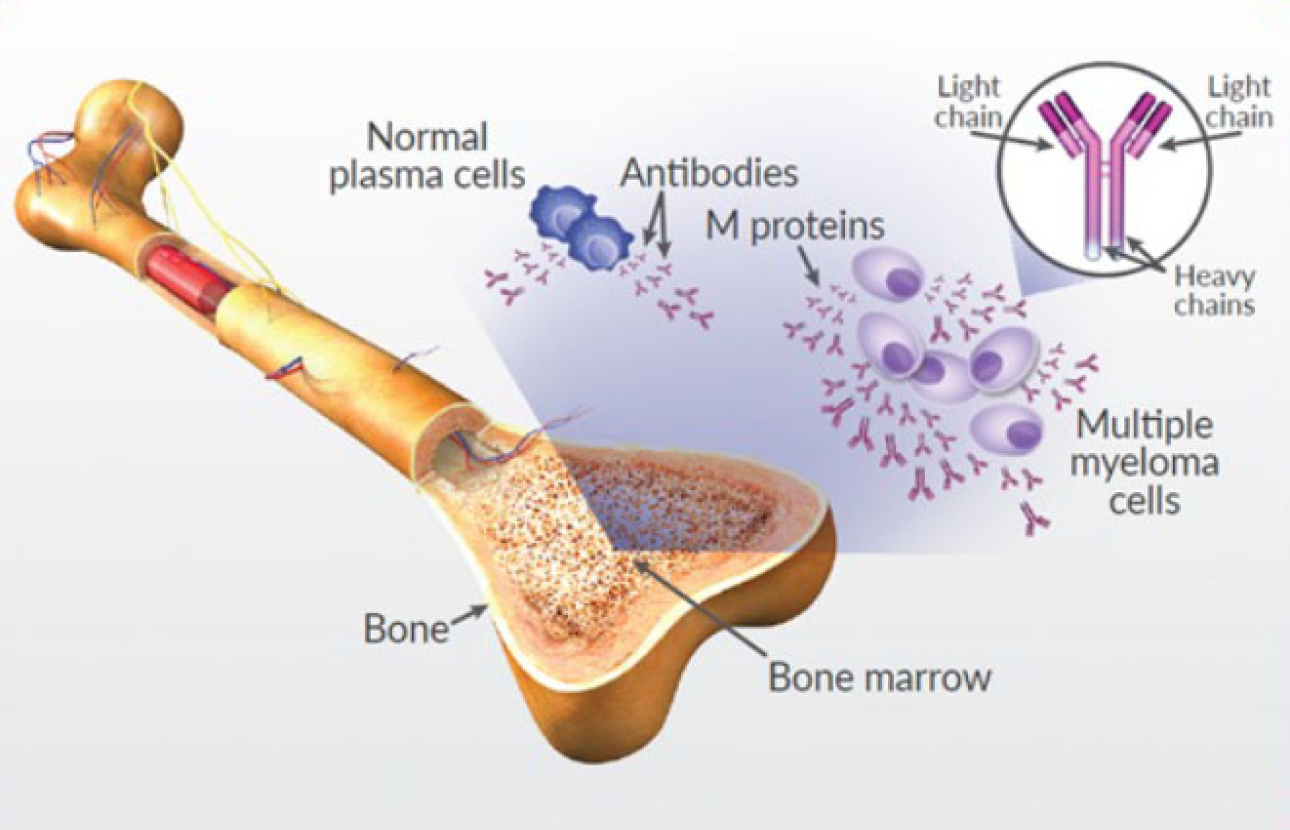
What is Multiple Myeloma
Myeloma is cancer of the bone marrow cells
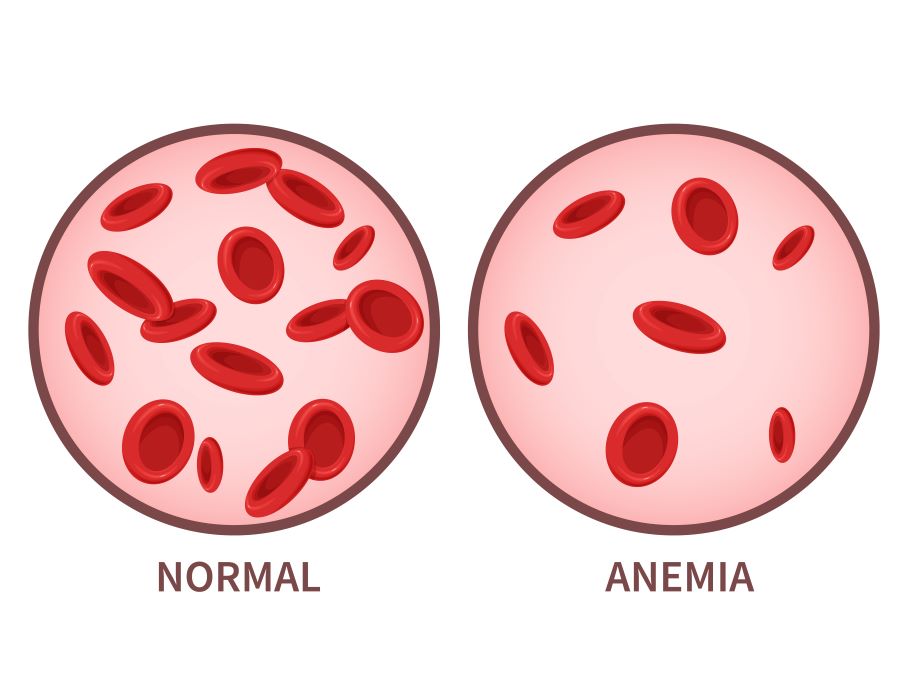
This can lead to knockdown of the normal cells produced by the bone marrow which
may result in anemia causing tiredness , infections due to low white cell count.
Myeloma produces abnormal proteins which can affect kidneys.Myeloma can cause
tumors in bone or outside the bone and can also lead to areas of bone loss and fracture
of the bones .
It is 1.5 more times more common in men and it is second most common blood cancer
, and usually affects 65-75 years age group
Who is at risk or who gets myeloma
There is a Familial tendency of 3-5% hence if a close relative has u can discuss
screening with your doctor and this can be screened with blood test .
Infections such as HIV ,hepatitis , Atomic Radiation in the past ,Benzene ,some
pesticides, engine exhaust can also put you at risk of having myeloma.
What are the signs and symptoms of myeloma
Pain on movement at night or even at rest in the affected area
Pain , swelling and tenderness of bone areas
Swelling of the legs or shortness of breath due to anemia and kidney damage.
WHAT IS LYMPHOMA?
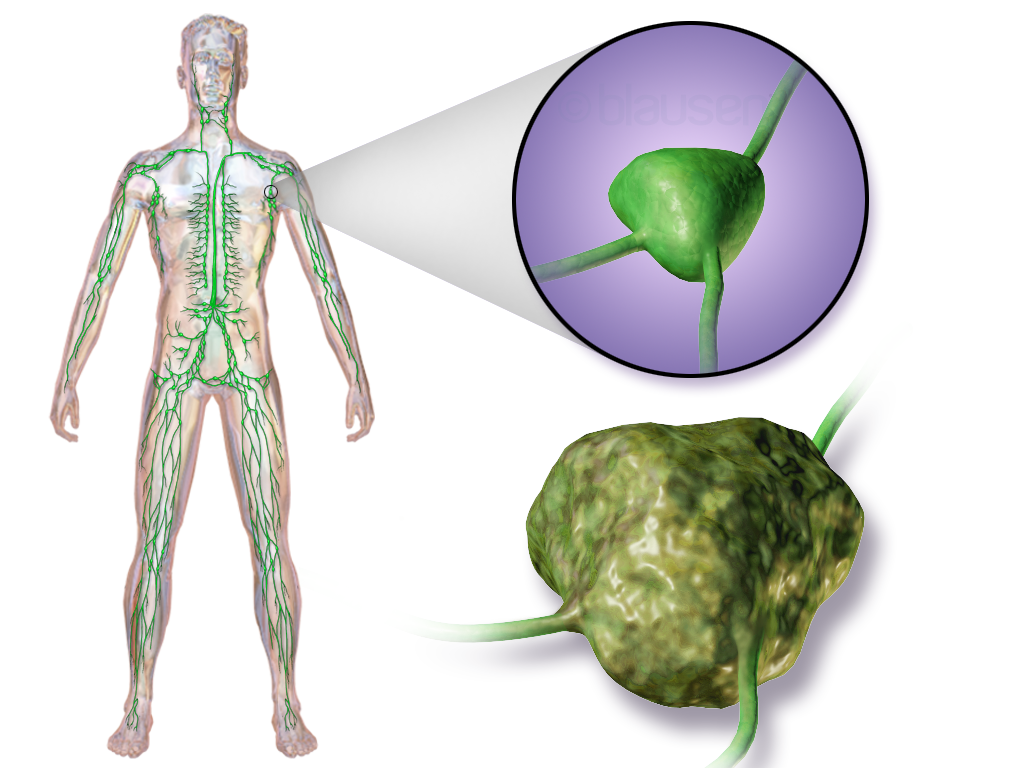
Lymphoma is one of the commonest hematological malignancy, it is caused by the
swelling of the lymph glands, which are present either in the neck region or under the
armpit or in the groin region. It also gives rise to swelling of the liver and spleen and
other organs. It can be high grade when it’s fastly growing or it can be low grade when
it’s slowly growing. So if you experience any of the swellings in any of these areas , you
should contact your doctor. Other symptoms might be , you might have unexplained
fever, not settling with antibiotics, also unexplained Weight Loss more than 10% of your
body weight. Now treatment and diagnosis of lymphoma is usually based upon getting a
lymph node biopsy or tissue diagnosis. Your doctor might want to the PET CT scan, to
see what is the stage of the lymphoma. Most of the lymphoma usually have a very good
prognosis and currently there is whole range of Targeted immunotherapy available to
treat this
WHAT IS LUEKEMIA ?
Leukemia is one of the commonest blood cancers. It happens when the bone marrow
produces abnormal white blood cells in very large numbers. There are different types of
leukemia- Acute (fast growing) and chronic (slow growing). Common symptoms are
frequent infections, tiredness, bone or joint pains, easy bruising/ bleeding, swelling of
gums, fever not settling with antibiotics. If these symptoms occur or your CBC shows
the counts abnormal, then you should contact your doctor. Now treatment and
diagnosis of leukemia is usually based upon CBC, Pheripheral blood smear, bone
marrow test to confirm what type of leukemia. Many types of leukemia are treatable.
Some are even curable, especially in children and young adults with acute
lymphoblastic leukemia. Modern treatments like targeted therapy and immunotherapy
have greatly improved survival.
Thalassemia Awareness – Explained by Dr. Srikanth Muralikrishnan | Centre for Haematological
Disease Clinic, Kilpauk, Chennai”
In this video, Dr. Srikanth Muralikrishnan, a leading haematologist at the Centre for
Haematological Disease Clinic, Kilpauk, Chennai, explains:
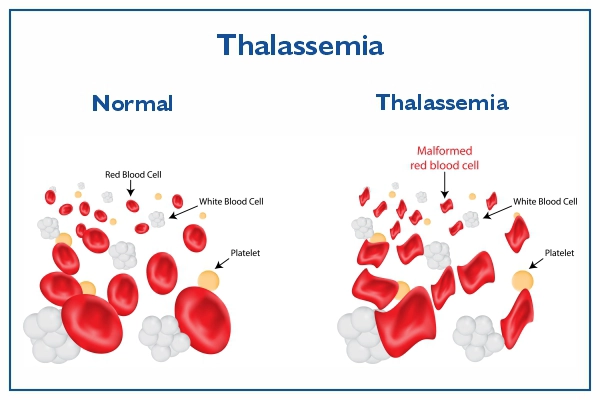
🔹 What is Thalassemia? – A genetic blood disorder affecting hemoglobin production – Causes
chronic anemia, fatigue, and serious complications if untreated – Inherited from parents carrying
the thalassemia gene
🔹 Key Symptoms & Risks – Pale/yellowish skin, slow growth in children – Severe cases: Bone
deformities, enlarged spleen 🔹 Treatment & Prevention – Blood transfusions, iron chelation
therapy – Bone marrow transplant (only cure) – Prenatal screening & genetic counseling to
prevent transmission
Why Awareness Matters?
✅ Early detection saves lives
✅ Couples can screen before pregnancy
✅ Proper management improves quality of life
Consult Dr. Srikanth Muralikrishnan for expert care in thalassemia diagnosis, treatment, and
genetic counseling.