Kilpauk, Chennai

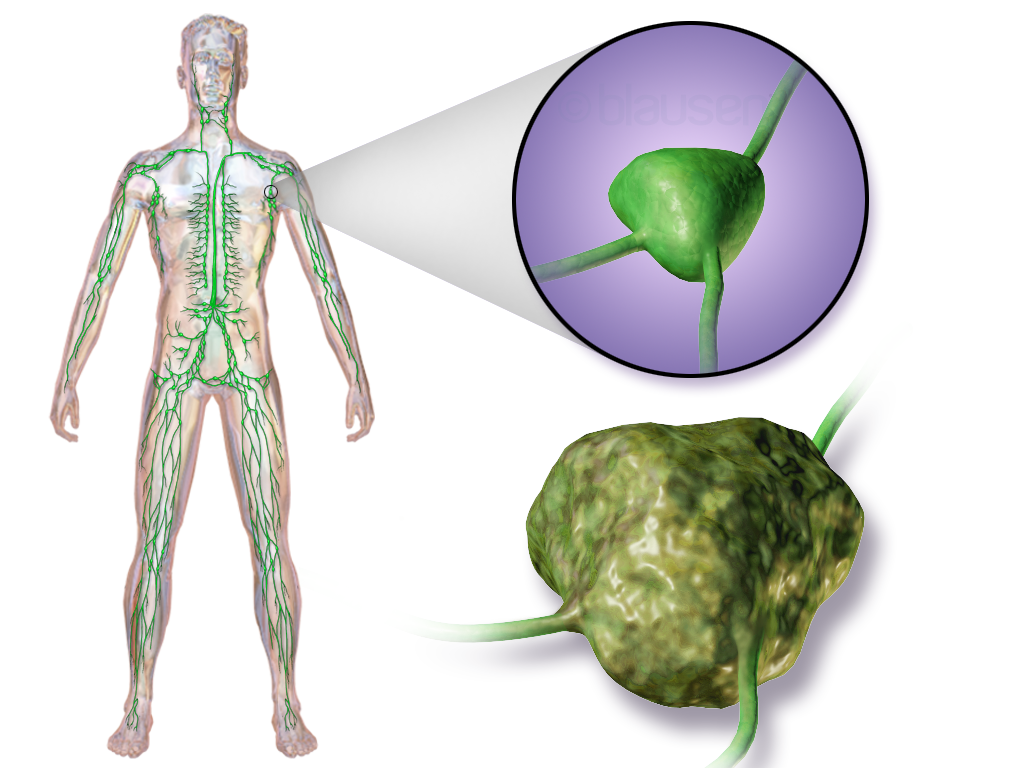

Lymphoma is a type of cancer that affects the lymphatic system, a crucial part of the
body’s immune system. It originates in lymphocytes, a type of white blood cell involved
in fighting infection. Lymphoma can occur at any age and may manifest in various
forms, each with its own characteristics and treatment approaches. Understanding this
condition is vital for early detection, effective treatment, and improved outcomes.
Causes and Risk Factors
The exact cause of lymphoma remains unknown, but several factors may increase the
risk of developing the disease:
- Genetics: Family history of lymphoma or certain genetic mutations may
predispose individuals to the condition. - Immune System Dysfunction: Conditions that weaken the immune system, such
as HIV/AIDS or autoimmune diseases, can elevate the risk. - Environmental Factors: Exposure to certain chemicals, pesticides, or radiation
may contribute to the development of lymphoma. - Age and Gender: Lymphoma can affect individuals of any age, but the risk
increases with age. Some subtypes also exhibit gender-specific patterns.
Symptoms
The symptoms of lymphoma can vary depending on the type, location, and stage of the
disease. Common signs and symptoms may include:
- Swollen lymph nodes, often painless
- Fever, night sweats, and chills
- Unexplained weight loss
- Fatigue and weakness
- Persistent itching
- Enlargement of the spleen or liver
- Shortness of breath or coughing (if lymphoma affects the chest)
Treatment
Treatment for lymphoma depends on various factors, including the type, stage, and
overall health of the patient. Common treatment modalities include:
- Chemotherapy: Powerful drugs are used to destroy cancer cells and inhibit their
growth. - Radiation Therapy: High-energy beams target and destroy cancer cells, often
used in combination with chemotherapy. - Immunotherapy: Drugs that enhance the immune system’s ability to recognize
and attack cancer cells. - Targeted Therapy: Medications that specifically target certain molecules or
pathways involved in cancer growth. - Stem Cell Transplantation: High-dose chemotherapy followed by the infusion of
healthy stem cells to replace damaged bone marrow.
Lymphoma is a complex and heterogeneous group of cancers that require
individualized treatment approaches. Early detection, accurate diagnosis, and
multidisciplinary care are crucial for improving outcomes and enhancing the quality of
life for individuals affected by this condition. Research efforts continue to advance our
understanding of lymphoma biology and develop more effective therapies, offering
hope for better outcomes in the future.