Kilpauk, Chennai

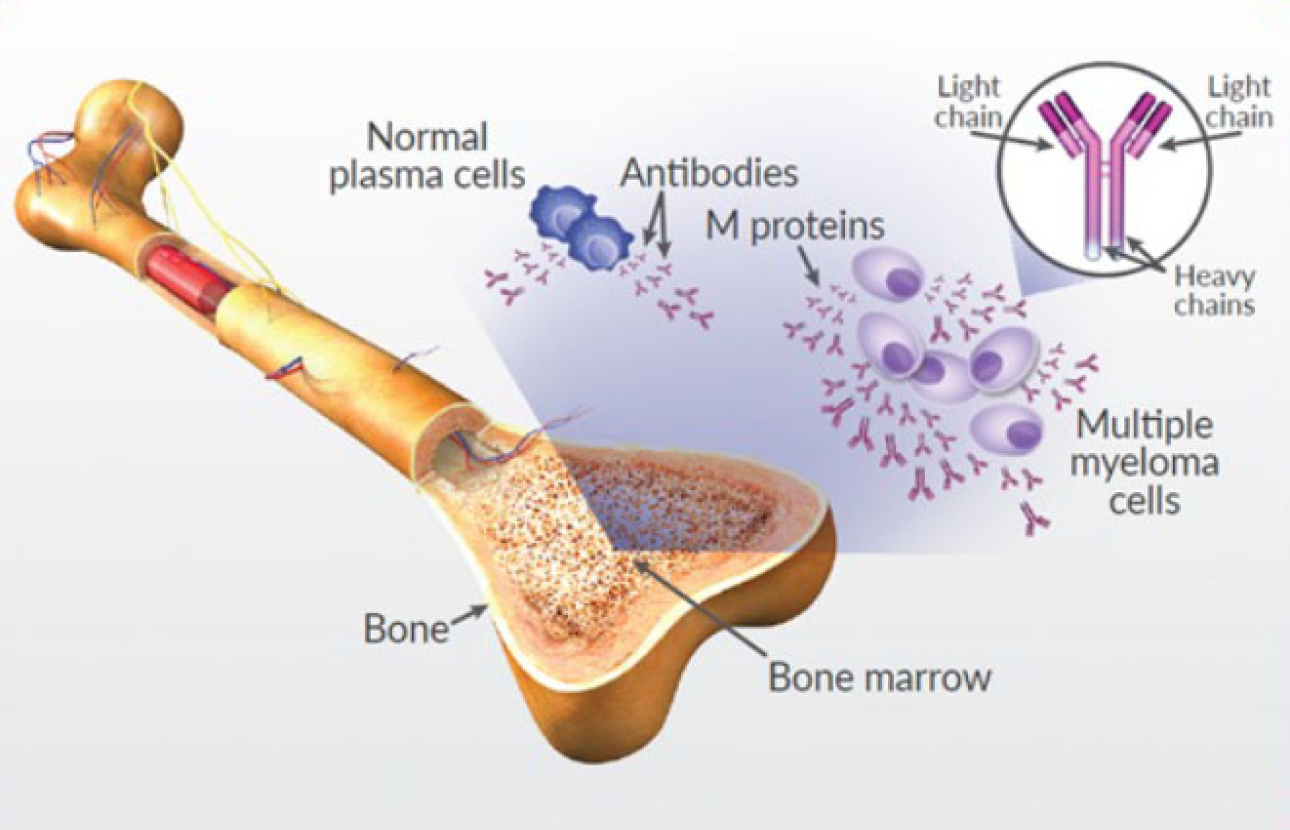

Myeloma, also known as multiple myeloma, is a type of cancer that affects plasma
cells, a crucial component of the immune system found in bone marrow. While
myeloma is relatively rare compared to other cancers, it is essential to understand its
causes, symptoms, and treatment options for those diagnosed and their loved ones.
This article aims to provide a comprehensive overview of myeloma, shedding light on its
complexities and offering insights into managing the condition effectively.
Symptoms of Myeloma
Myeloma often presents with various symptoms, which may include:
- Bone Pain: Myeloma can weaken bones, leading to bone pain, particularly in the
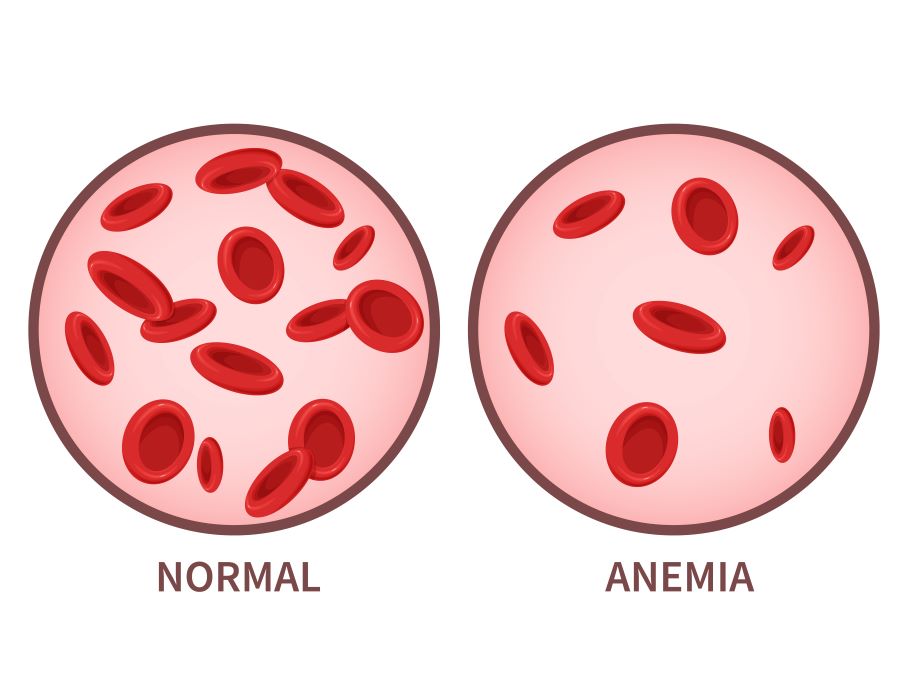
back, hips, and skull. - Fatigue: Anemia, a common complication of myeloma, can cause persistent
fatigue and weakness. - Frequent Infections: Weakened immune function increases susceptibility to
infections. - Kidney Problems: Myeloma can damage the kidneys, leading to symptoms such
as increased thirst, fluid retention, and changes in urination. - Weakness and Numbness: Myeloma can cause nerve damage, resulting in
weakness, numbness, or tingling in the extremities. - Elevated Calcium Levels: High levels of calcium in the blood (hypercalcemia)
can cause symptoms like excessive thirst, nausea, and confusion.
Diagnosis and Staging
Diagnosing myeloma typically involves a combination of blood tests, urine tests,
imaging studies (such as X-rays, CT scans, or MRIs), and bone marrow biopsy. Once
diagnosed, myeloma is staged based on factors such as the extent of bone damage, the
number of abnormal plasma cells in the bone marrow, and the presence of specific
genetic abnormalities.
Treatment Options
The treatment approach for myeloma depends on various factors, including the stage of
the disease, overall health, and individual preferences. Common treatment modalities
include:
- Chemotherapy: Chemotherapy drugs are used to kill cancer cells and slow
disease progression. - Immunomodulatory Drugs: These drugs enhance the immune system’s ability to
fight cancer cells. - Targeted Therapy: Targeted drugs attack specific molecules or pathways involved
in cancer growth. - Radiation Therapy: Radiation may be used to relieve bone pain and reduce tumor
size in localized areas. - Stem Cell Transplantation: High-dose chemotherapy followed by stem cell
transplantation may be recommended for eligible patients to achieve deeper
remission.
In addition to these treatments, supportive care measures such as pain management,
physical therapy, and nutritional support play a crucial role in managing symptoms and
improving quality of life for individuals with myeloma.
Living with myeloma presents significant challenges, but advancements in treatment
options and supportive care have improved outcomes for many patients. Early
detection, proper management, and ongoing research efforts are essential in the fight
against myeloma. By raising awareness and promoting education about this complex
disease, we can empower individuals affected by myeloma to make informed decisions
and live fulfilling lives despite its challenge.